
Ingredient guide · Vitamins and minerals for men · Jakarta editorial desk
Botanical Ingredients Common in Men's Formulas
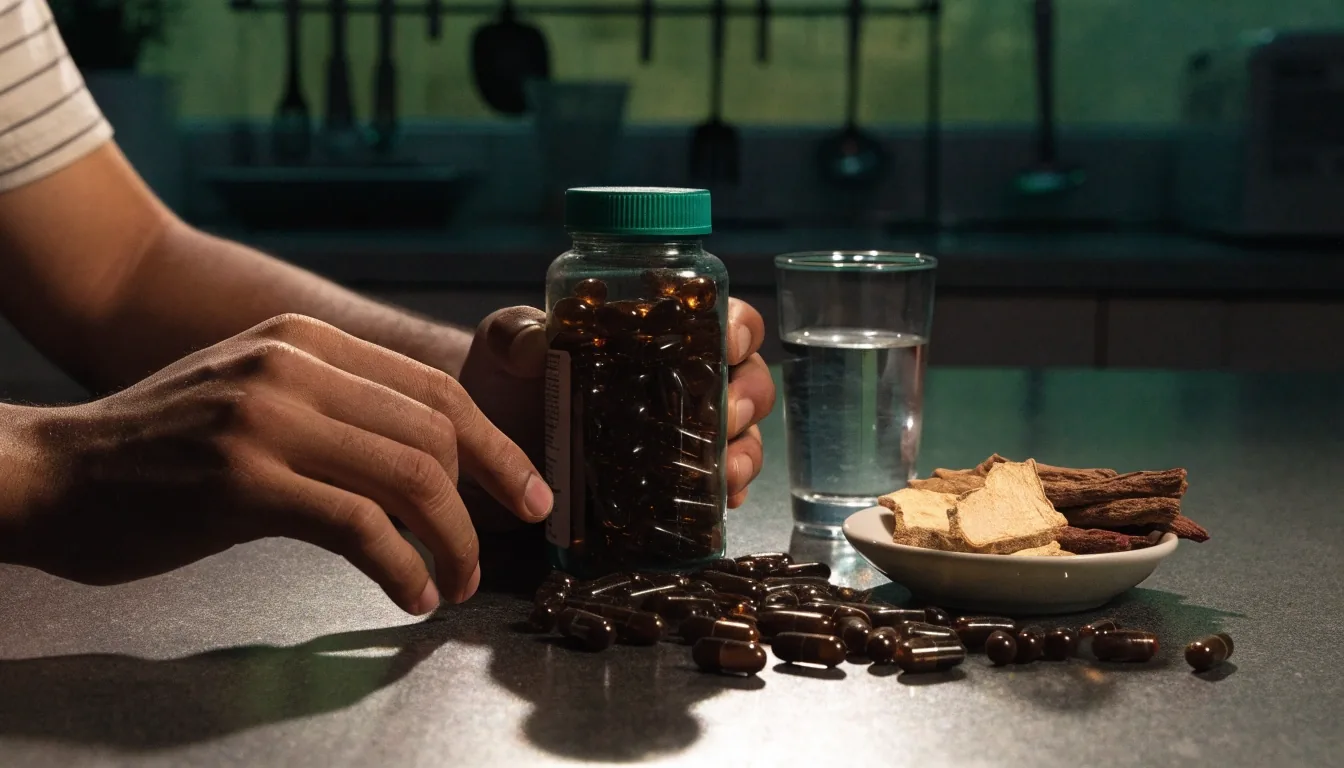
Maca, tongkat ali, ginseng, ginkgo and epimedium are the names you meet most often on natural supplements for men in Indonesia. This guide covers where each plant comes from, how it is dosed, and how labels present it.
Why botanicals sit inside a men's blend
A botanical extract is a concentrated form of a plant, usually taken from one specific part — root, leaf, seed — and often measured in milligrams. Brands add them so a formula reads as more than a vitamin and mineral mix. That is a positioning choice as much as a nutritional one, and both things can be true at the same time.
What matters when you compare two bottles is not the category name on the front, but which plant is in the blend and how much of it is stated. A label that names its extracts with milligram amounts lets you line products up side by side. A label that hides everything under a blended heading does not. Both styles are common in Indonesian retail, and both are legal.
- Which plant part the extract comes from: root, leaf, seed or bark.
- Whether the extract is standardized, and if the label says so.
- Whether the milligram amount is printed per extract or as one blend total.
- Whether the same plant also appears in your daily multivitamin.
The five botanicals you meet most often
Each one gets a single place in this drawer: where it comes from, how much is typically stated, and how it is usually worded on the back of the bottle.
Maca root
A root from the Andean highlands, and one of the most visible botanicals in men's formulas sold here. It usually appears as a powder or extract rather than a standardized compound, and it arrives as part of a blend rather than as the single headline ingredient.
Eurycoma longifolia
Known locally as tongkat ali and native to Southeast Asia, which goes some way to explaining how often it turns up in regional blends. NATURELINE Men's Health, sold through Watsons, lists it as a radix extract at 50 mg alongside ginseng, epimedium and ginkgo. Doses are usually modest, and it rarely travels alone.
Ginseng
The name most buyers already recognize, which is a large part of why brands include it. It shows up in the NATURELINE formula above and in many regional blends, often under a blended heading rather than with its own milligram line. When that happens, you are working with less detail than a fully itemized label gives you.
Ginkgo
A frequent companion to the main botanical rather than the lead itself. Like ginseng, its amounts vary widely between products, and it is a common member of the blended group where no individual figure is printed.
Epimedium
Another recurring name in men's herbal blends across the region, and one that almost always sits in the supporting part of the formula. Other extracts come and go depending on the brand and the launch window; the pattern holds anyway.
One or two named leads, several supporting botanicals, and a blend description on the front of the bottle. When standardization is stated, it tells you the extract is consistent from batch to batch — and when it is not stated, that is worth noticing too.
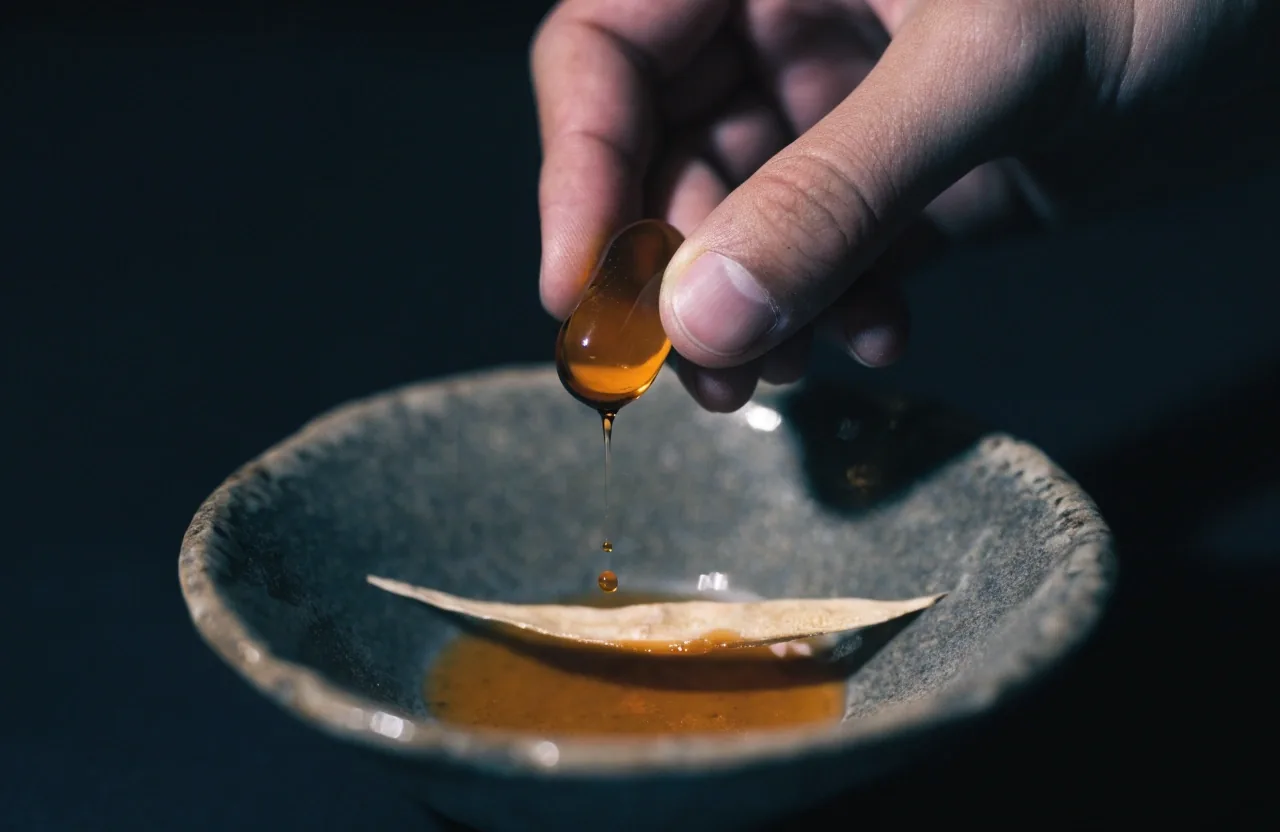
Extract, not garnishA botanical is listed by plant part and weight, and that pairing is the useful half of the label.
Three ways a label presents plant extracts
Full disclosure
Every extract is named with its milligram amount. This is the only pattern that lets you compare two products directly, because you can hold one dose against another without guessing.
Partial disclosure
The plants are named but the amounts are not printed, so you know what is in the bottle and not how much of it.
Blend disclosure
Everything is grouped under one blended heading with a single total, which tells you the size of the group and nothing about its parts.
The second and third patterns are common and not illegal. They simply limit what you can learn from the label, which is worth knowing before you line two bottles up and assume the numbers mean the same thing.
Capsule, tablet, or plant-based range
Botanical blends often sit in the same brand range as plant-based multivitamins. Naturelo's men's section, for instance, combines whole-food multivitamins with vegan vitamin D3 and other plant-forward products, so a buyer comparing natural capsules for strength and vitality may be looking at two different parts of one catalogue.
The capsule shell itself is a separate question from the ingredient list. Some capsules use gelatin, others plant cellulose. If that detail matters to you, it is printed on the capsule line, not in the extract table.
See popular products for men
Questions readers send in
AAre botanical doses in men's formulas standardized?
Some extracts are standardized and labeled with a percentage or a named compound; others are listed simply by plant name and weight. NATURELINE's Eurycoma longifolia entry, for example, is stated as a radix extract at 50 mg. Standardization varies by brand, and many labels never mention it at all.
BDo botanicals replace vitamins and minerals for men?
No. They sit on top of a vitamin and mineral base. The base covers nutritional gaps in an everyday diet, and the botanicals add a category identity and a plant-based layer on top. Read the base first, then the plant extracts above it.
CCan two botanical blends be taken at the same time?
Check for overlap in the vitamin and mineral part first, then look at the botanicals. Many blends repeat the same plant extracts, and stacking them is not usually the goal of a routine. If you are already running an energy and endurance formula, compare the plant lists before adding another.
Where to look next
If you want to see how these extracts sit inside a full formula, the men's vitamin formulas guide walks through the whole label. If you are comparing bottles that contain them, the popular products overview groups formulas by focus area. And if you would rather start with habits than with a bottle, the daily routine page works through the things that support any blend.
VitalSupplyMen is an editorial resource, not a shop. We read labels, explain what the numbers mean, and leave the buying decision with you. If a product page or an ingredient table here does not match what you see in a store, tell us and we will look at it again.
Supplements are not medicines. Nothing on this page is a substitute for advice from a qualified professional, and anyone managing a health condition, taking regular medication, or unsure about a product should talk it through before adding it to a routine.
Jl. Jenderal Sudirman No. 52, Jakarta 12190 · Monday to Friday, 9:00 AM – 6:00 PM